Prepping Houseplants for Winter
Late summer to early fall is the time to think about bringing in houseplants that have been outside for the season. A good rule of thumb is when nighttime temps consistently dip below 50’s, houseplants should be indoors. You can have a successful transition with a simple 3-step process that will help reduce stress to the plant. We also recommend a few products to minimize unwanted pests.
3 Steps to Bring Houseplants Indoors
1.When nighttime temps begin to get in the low 60’s, transition your houseplant to a shaded area but keep them outside. This will help the plant from going into shock when you bring it inside and there is a shift in the intensity of light. If possible, have the plant in the shade for about 2 weeks before you bring it inside. It can also help to taper off your watering during this time.
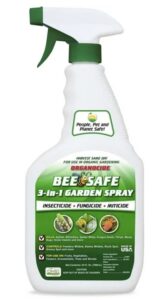
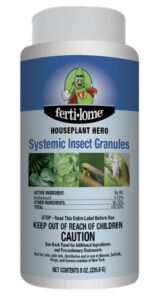
2.Once your houseplants have had some time to acclimate to lower outdoor light, treat for pests. Spray them first for insects and/or eggs that are looking to hitch a ride indoors! We recommend using products like Fertilome Neem Oil Spray, Fertilome Spinosad Soap, or Bee Safe 3-1 Organic Insecticide, Miticide, and Fungicide to get rid of insects – be sure to spray the underside of the leaves and foliage as well as the tops. Then add some Fertilome Systemic Houseplant Granules – the insecticide in the granules will be absorbed by the roots when you water and distributed throughout the whole plant for safe, long-last insect control. Now they are ready to bring inside to a spot that has adequate lighting for their needs.
3.Lastly, cut back on care that encourages growth as houseplants should grow at a slower pace during the cold months. This means lessening your fertilizing routine or skip fertilizing if possible until about April. Put off repotting until spring as well because moving them to a larger pot will encourage growth. Continue watering them but to a lesser degree. Overwatering leads to rot which is hard to save a plant from. Letting the soil dry out about an inch down into the soil until watering again will help avoid root rot. You don’t want them to die, just to rest!
Tips on where to place your plants inside:
- Bright indirect light is best for many plants. Some such as ZZ Plants, Snake Plants, and Pothos can withstand less light enough to make it through the winter.
- If you are in a location with minimal natural light use a full spectrum grow light or bulb to help supplement the natural light available. This type of bulb will provide the plant with a broad spectrum of light that it needs to photosynthesize.
- Place plants away from drafty windows and sources of heat to keep them from stressing out. If they are placing by a window, make sure the plant is not touching the physical windowpane as this will shock the plant.
Keep in mind that homeowners often find their plants are much larger than they thought and have a problem finding a place for them. Many, but not all, can be pruned to reduce their size. We will be happy to inform you which ones can and how their size can be reduced – jot down their name and or snap some pics and bring them in for our experts to take a look!
If you found this blog post helpful and want to continue growing your plant knoweldge follow us on Facebook and/or Instagram. You can also subscribe to our emails for upcoming seminars, events, and sales!
Subscribe to our Emails